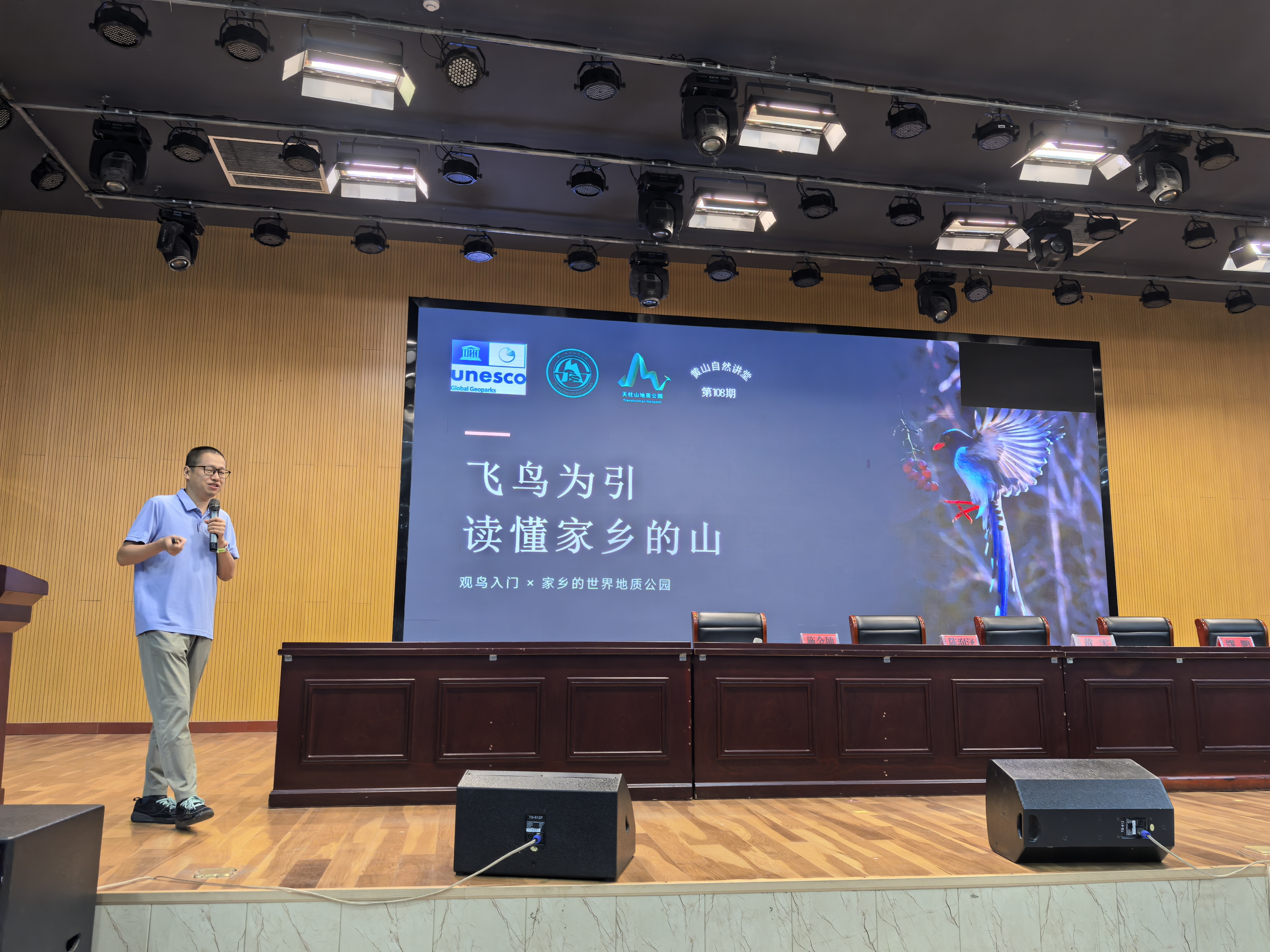
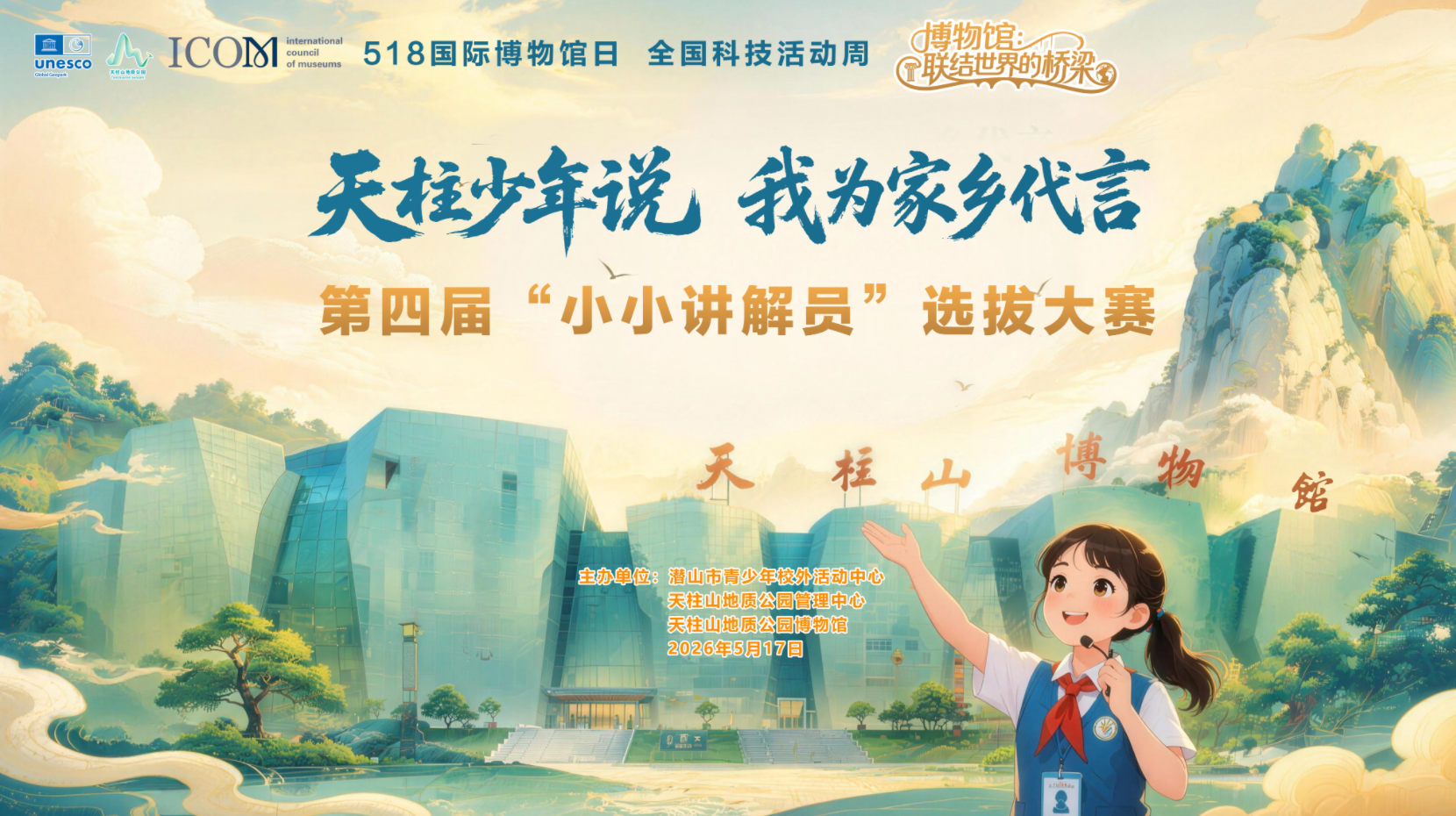
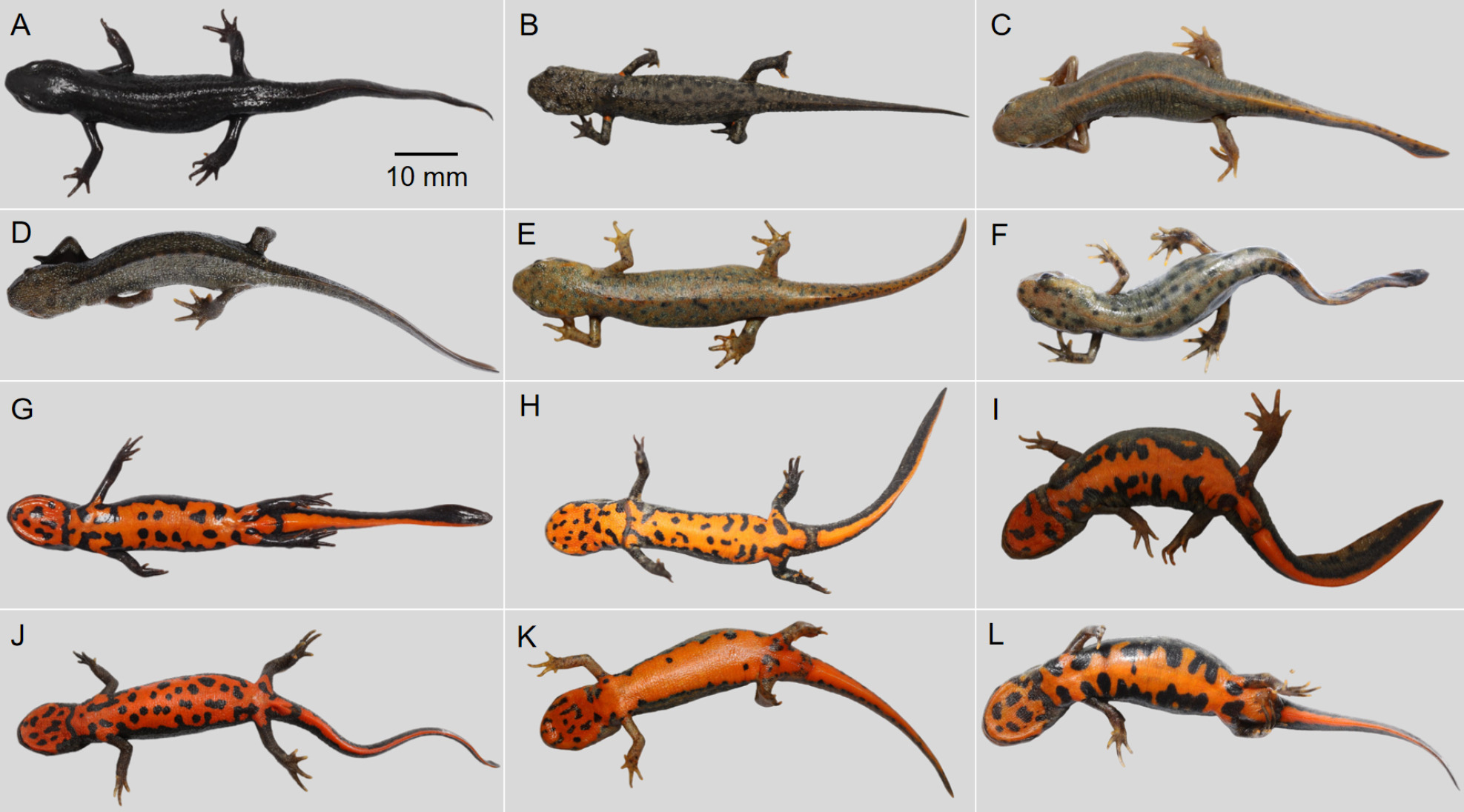
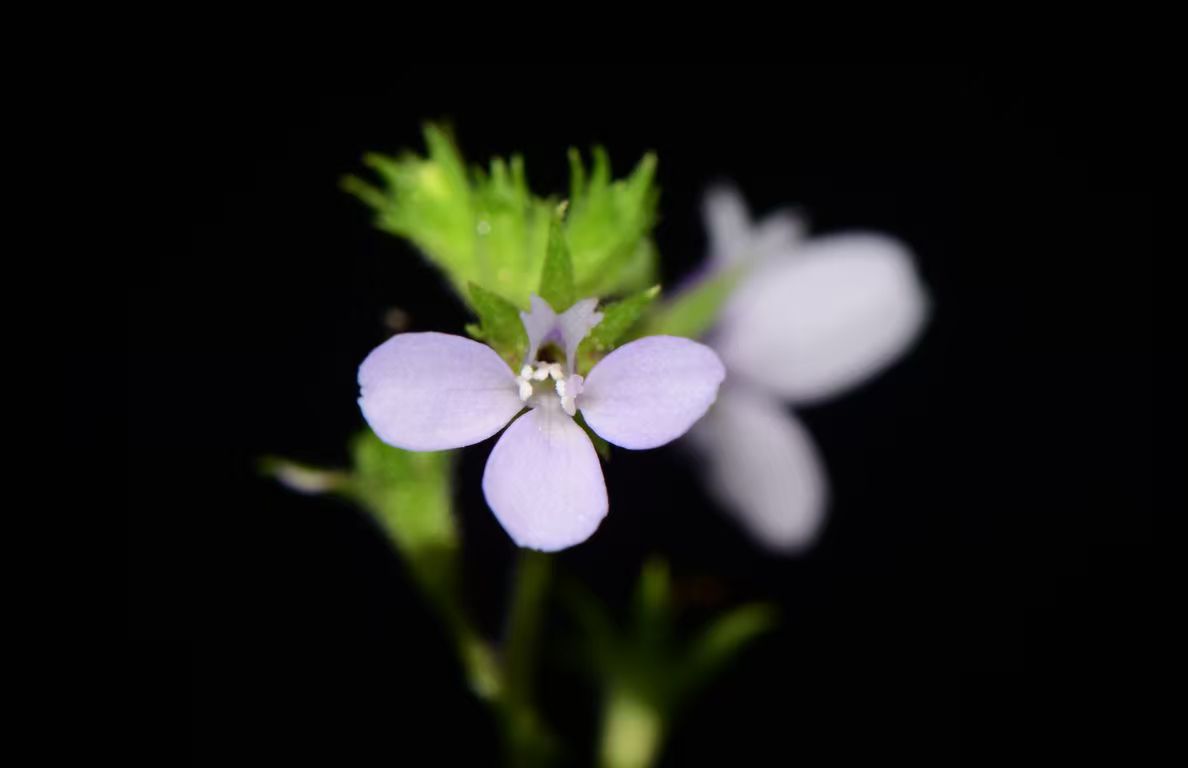
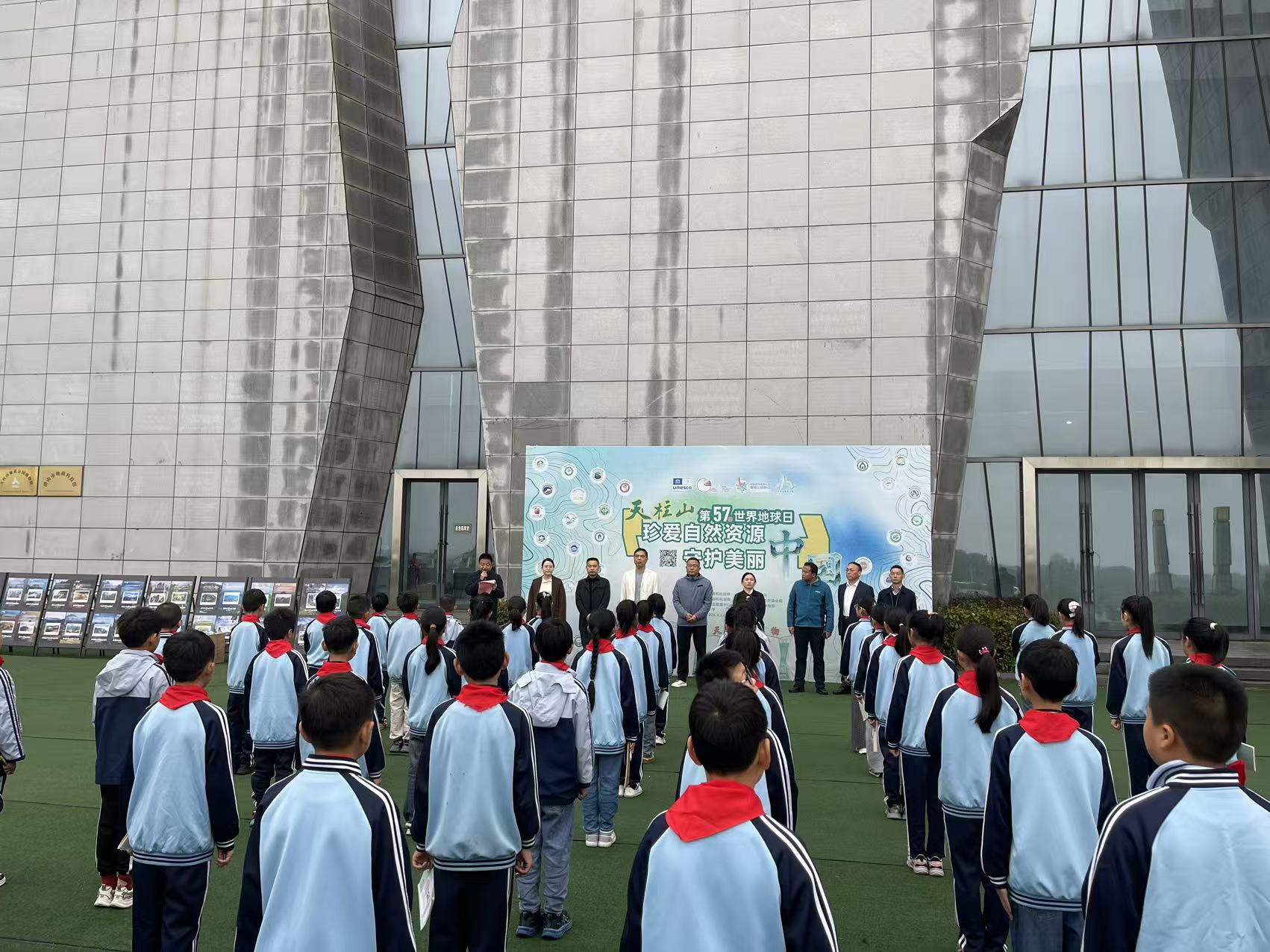
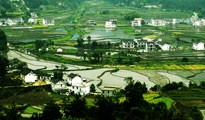
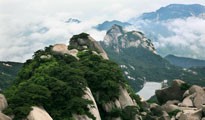
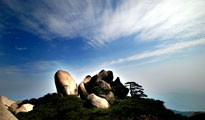
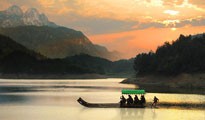
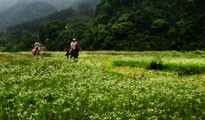
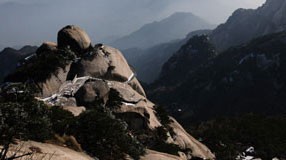
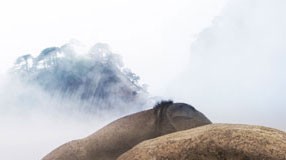
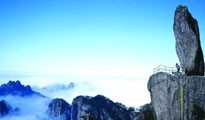
To popularize earth science knowledge and enhance awareness of natural resource conservation, Tianzhushan UNESCO Global Geopark will host a series of science popularization activities for the 57th World Earth Day and the 7th Asia Pacific Geopark Week. Through offline popularization and online interaction, we will explore the mysteries of geology and protect our common homeland.
More
Details
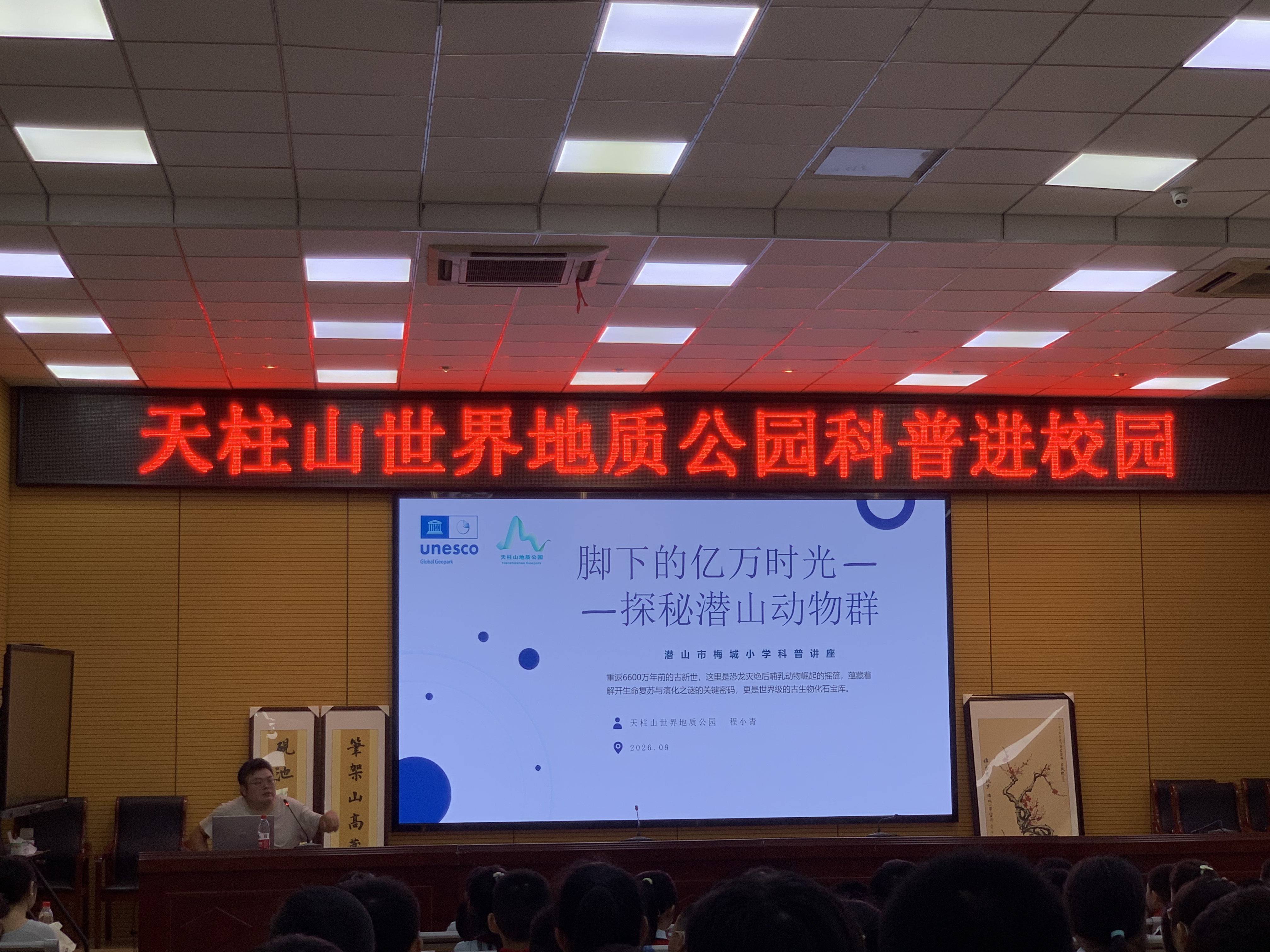
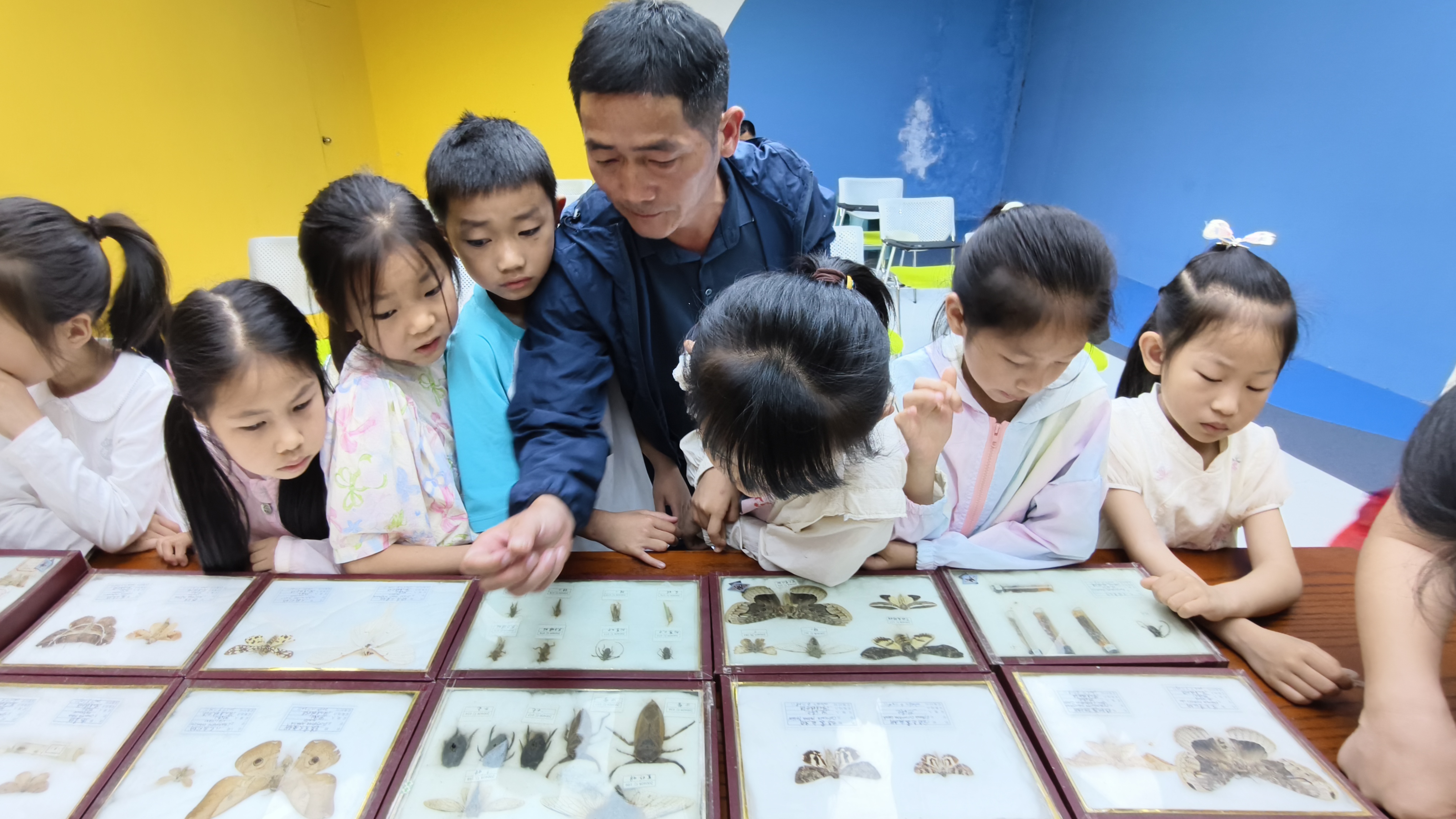
To carry out a series of events for the National Science Popularization Day, give full play to the educational function of the UNESCO Global Geopark, promote the spirit of science, and nurture teenagers’ scientific literacy as well as their attachment to hometown land, Tianzhushan UNESCO Global Geopark delivered a special science popularization lecture entitled Billions of Years Beneath Our Feet: Exploring the Qianshan Fauna at Meicheng Primary School in Qianshan City. The lecture formed a key part of the school’s science‑oriented “first‑lesson‑of‑the‑new‑semester” curriculum for autumn. More than 300 Grade‑4 students attended this paleontology‑themed class.

The lecture transported students back to the Paleocene epoch 66 million years ago, focusing on the world‑class fossil treasure trove of the Qianshan Fauna. It guided young audiences to uncover the evolutionary secrets of mammal recovery after the mass extinction of dinosaurs. Starting from the local symbolic red‑bed rocks, the interactive session distinguished paleontology from archaeology and explained basic knowledge including fossil‑forming mechanisms and paleontological naming conventions. Drawing on field‑site photographs, fossil‑specimen images and scientific reconstructions of ancient organisms, the presentation introduced 48 genera and 64 species of vertebrate fossils discovered in the Qianshan Basin, reconstructing the ancient landscape of long‑gone lake‑river ecosystems.

Special attention was paid to the scientific value of precious fossils such as Anhuichelys qianshanensis, Qianshanosuchus youngi, Qianshanornis rapax, Heomys orientalis and Mimotona wana. The lecture recounted the grand story of terrestrial ecosystem recovery after catastrophic extinction. Tracing the origin of “Rabbit Yuanyuan”, the mascot for the Spring Festival Gala, experts made sophisticated paleontological knowledge accessible and engaging for youngsters. In addition, it covered local fossil sites in Doumu Township and Huangpu Town, and shared laws and regulations on fossil protection. Students learned that fossils are vital national natural resources and private fossil collection or excavation is prohibited. The activity helped teenagers build awareness of respecting nature and protecting geo‑heritage sites.

During the lecture, pupils listened attentively and raised numerous questions. They immersed themselves in the charm of geoscience, gaining genuine understanding of the invaluable natural heritage of Tianzhushan UNESCO Global Geopark. Seeds of scientific curiosity, hometown affection and reverence for natural evolution were sown in their hearts.
This campus outreach program connects high‑quality educational resources of the Global Geopark with school science education. Complex geological‑evolution narratives have been transformed into student‑friendly, engaging science classes. Moving forward, Tianzhushan UNESCO Global Geopark will further explore the unique scientific connotations of the Qianshan Fauna, deliver high‑quality events for the National Science Popularization Day, and regularly organize campus lectures, research‑study tours and public science outreach. By disseminating earth‑science knowledge and fostering scientific spirit among adolescents, the geopark will advance science enlightenment education and contribute to improving public scientific literacy across society.