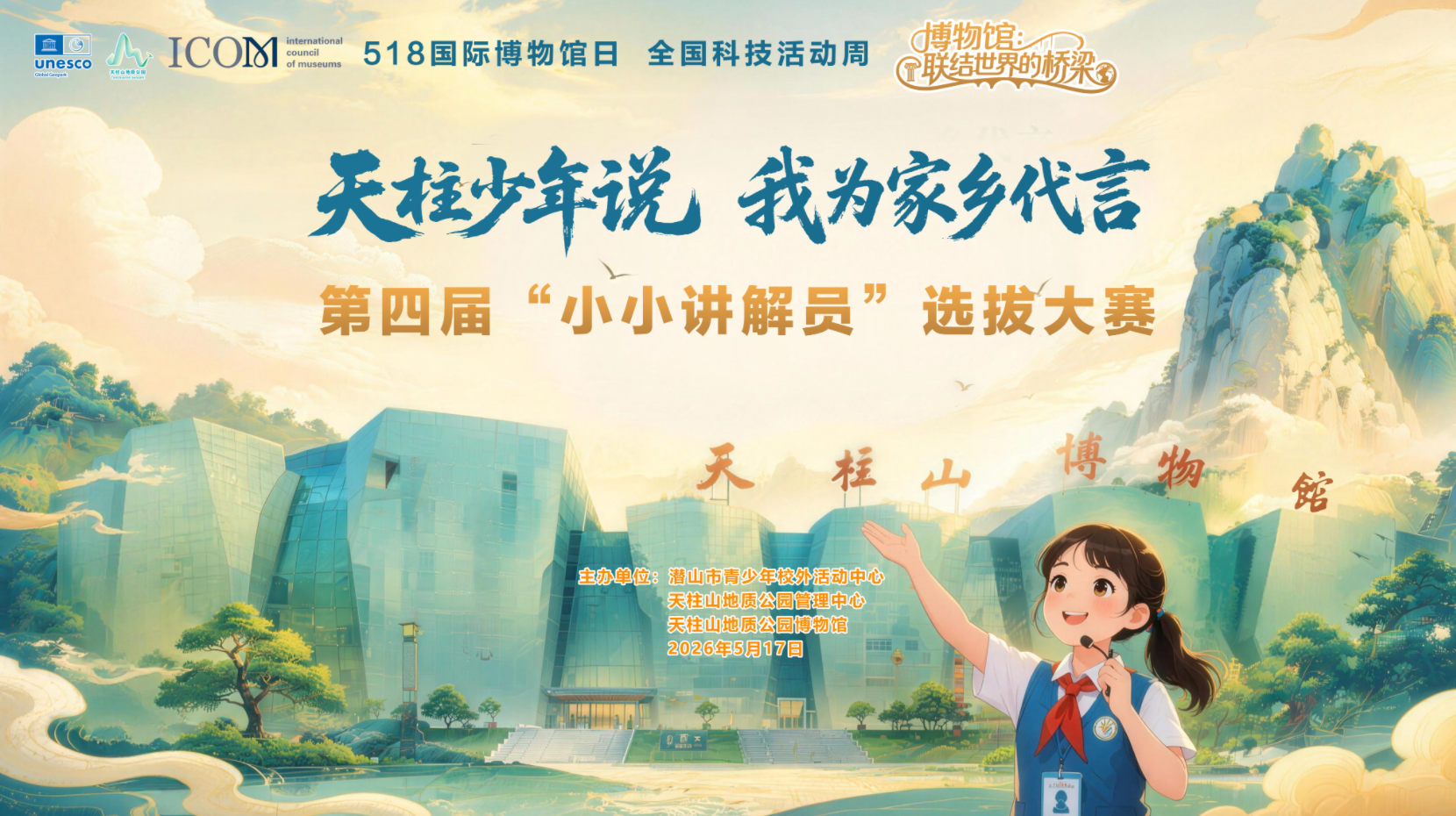
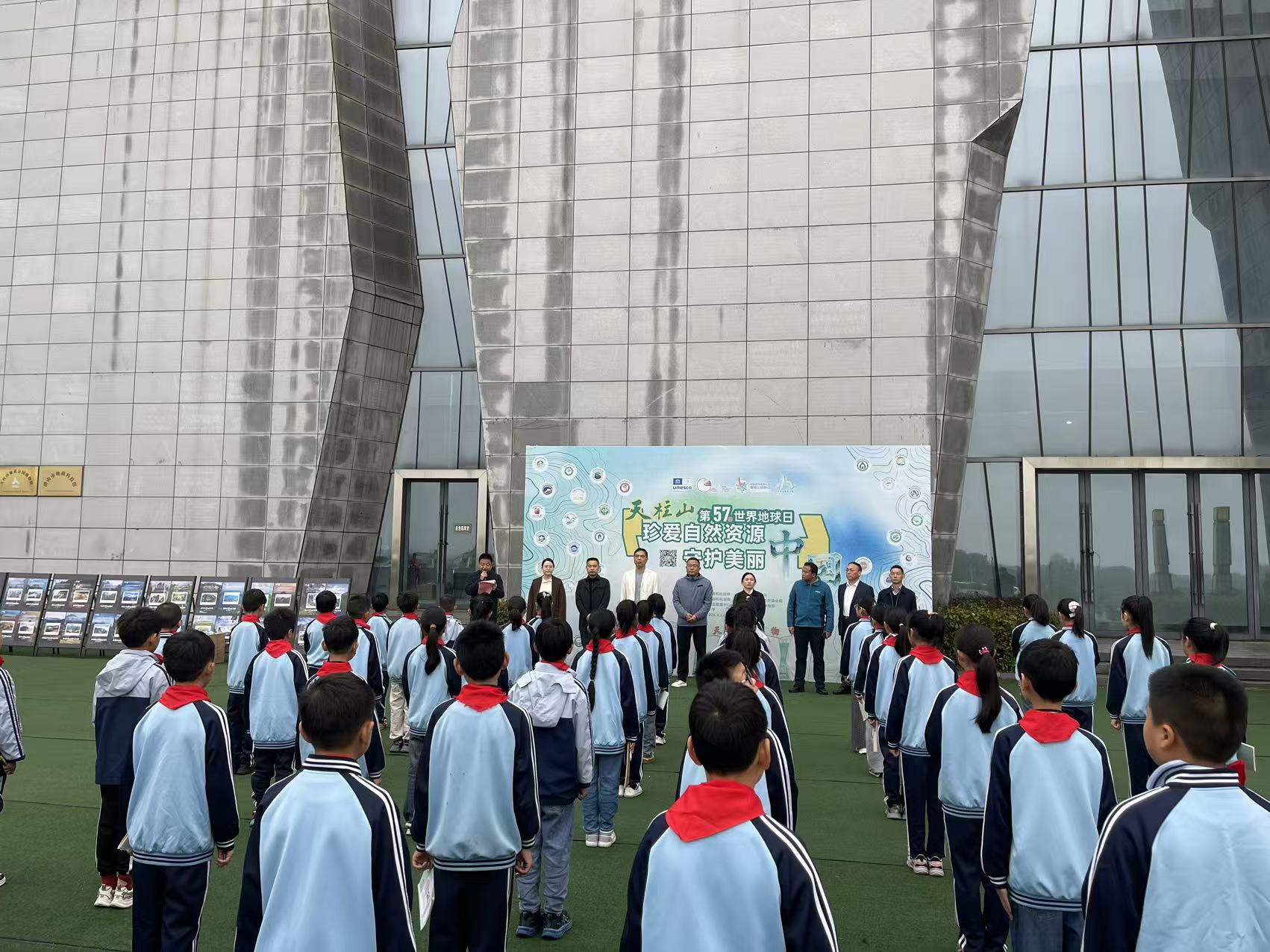
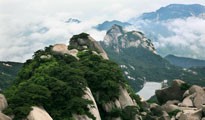
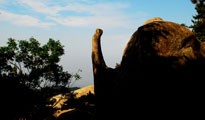
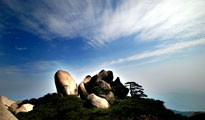
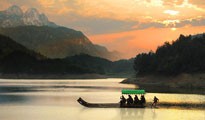
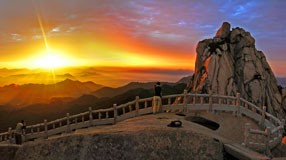
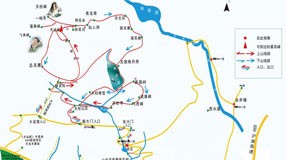
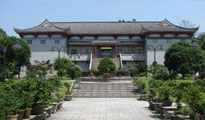
To popularize earth science knowledge and enhance awareness of natural resource conservation, Tianzhushan UNESCO Global Geopark will host a series of science popularization activities for the 57th World Earth Day and the 7th Asia Pacific Geopark Week. Through offline popularization and online interaction, we will explore the mysteries of geology and protect our common homeland.
More
Details
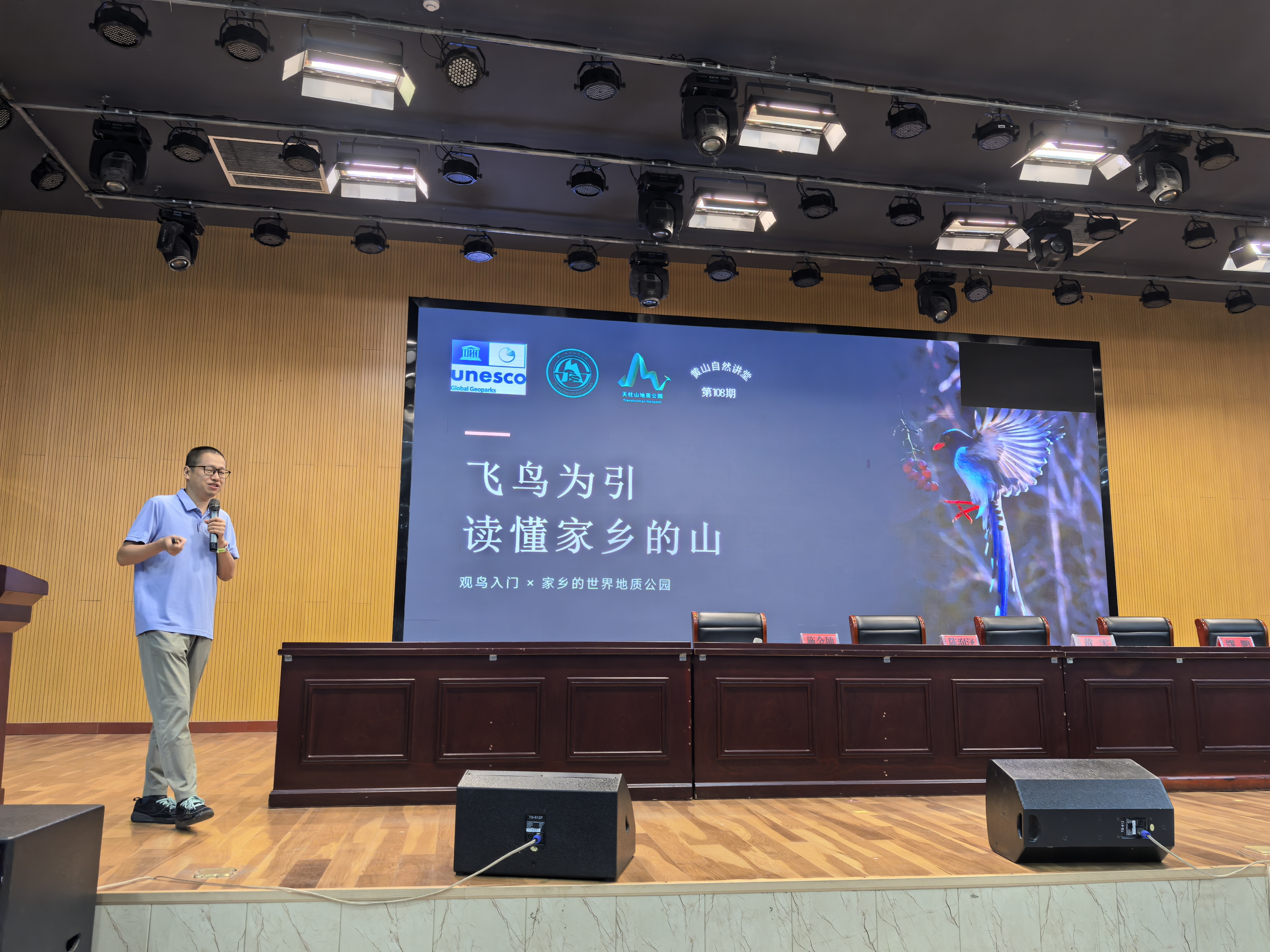
To implement the
sister geoparks agreement between Huangshan and Tianzhushan UNESCO Global
Geoparks, facilitate the exchange and sharing of science‑popularization
resources, give play to the natural‑education role of geoparks, and help
teenagers build awareness of coordinated conservation for biodiversity and
geological heritage, this lecture formed one of the National Science
Popularization Day events organized by Tianzhushan UNESCO Global Geopark.
Working together
with Huangshan UNESCO Global Geopark, Tianzhushan Geopark hosted a special
lecture entitled Reading the Hometown
Mountains through Birds at Qianshan No. 2 High School. The speaker was Miao
Peng, Associate Researcher at Huangshan Geopark Museum and a member of the
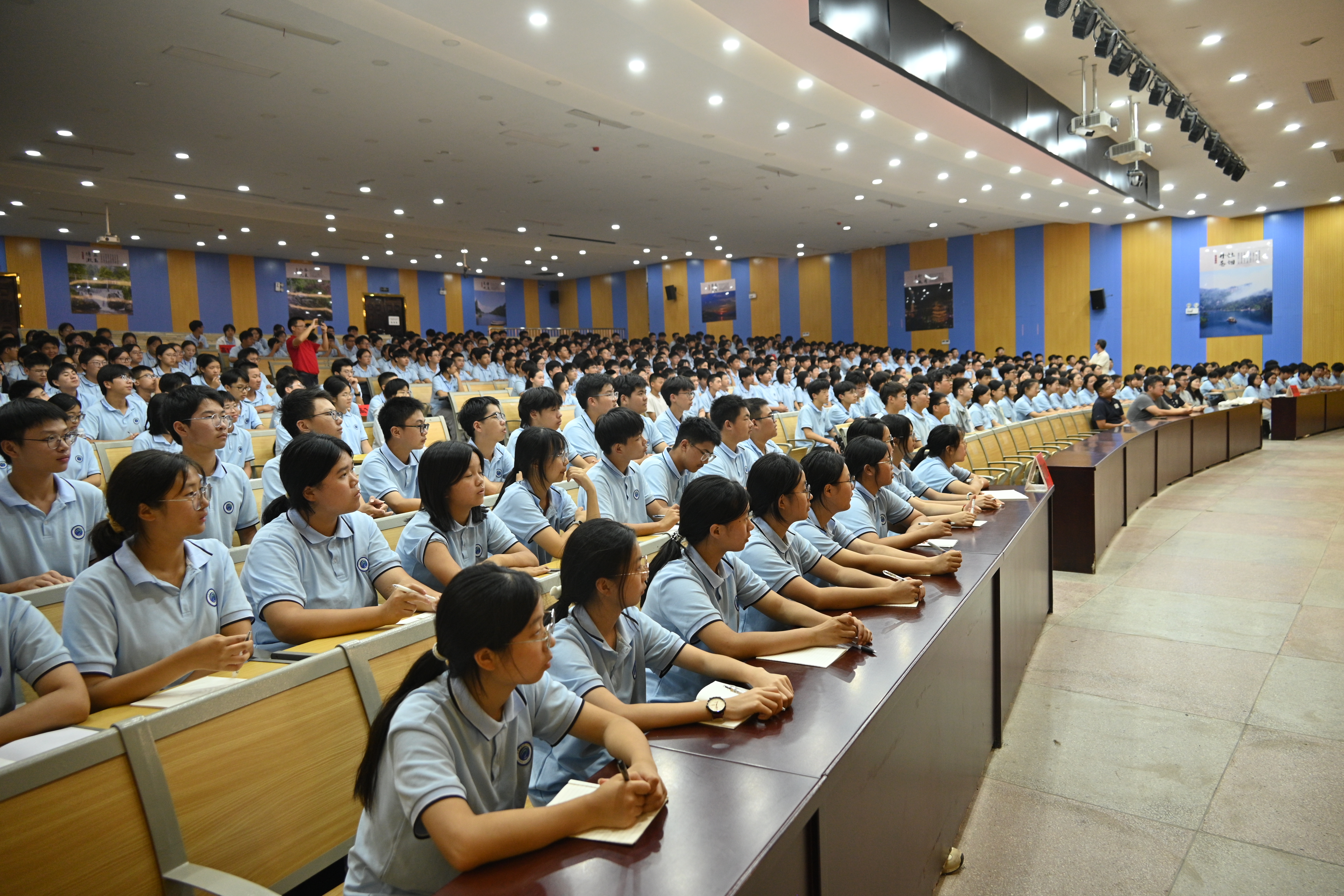
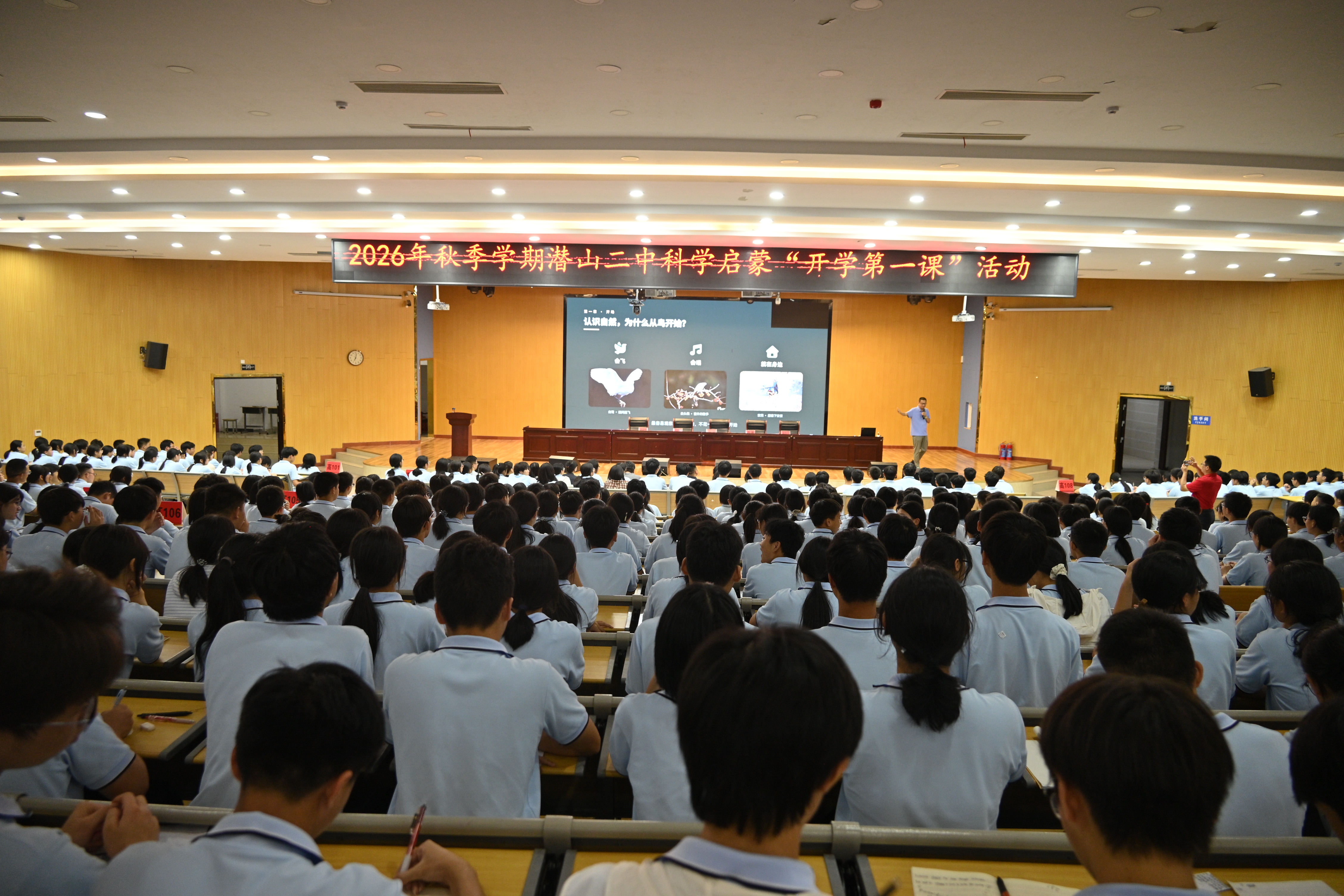
Jiu‑San Society. Scheduled on the evening of 1 September and incorporated into
the school’s science‑enlightenment “First Lesson of the Semester” for the new
autumn term, the lecture was attended by more than 500 Grade‑10 students.
The talk took
birdwatching as an entry point for connecting with nature. Miao Peng talked
about the meaning of birdwatching, bird‑identification skills and norms for
responsible bird‑watching. Drawing on a wealth of field‑shot photographs and
wildlife videos, he explained three key aspects of bird recognition: observing
physical features, studying behavioural habits and listening to bird calls. He
also introduced beginner‑level tools such as binoculars and bird‑identification
mobile apps. He emphasized that the core of birdwatching is “to admire without
disturbing”, so that wild birds may live freely in their natural environment.
The lecture
presented the local bird‑resource status of Qianshan. Up to now, 267 wild‑bird
species have been recorded in the area, 49 of which are under national key protection.
Forests within Tianzhushan and riverbanks along the Qianshui River serve as
important bird habitats. Qianshan lies on the East Asian‑Australasian Flyway,
and large numbers of birds of prey pass through during autumn migration.
Representative local birds were introduced. Verses written by Li Bai about
silver pheasants were cited, organically integrating natural‑science
popularization with cultural and humanistic stories.
“Birds are the
performers, and geology provides the stage.” The lecture elaborated on the
close‑knit relationship between geological environments and wildlife. It
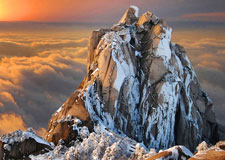
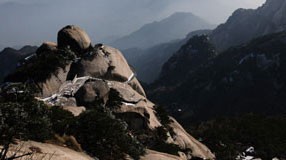
compared the ultrahigh‑pressure metamorphic geology of Tianzhushan with the
granite peak‑forest landforms of Huangshan, illustrating how geology shapes
habitats and how habitats sustain bird populations. Looking into ancient relics
preserved in the Qianshan Basin, the presentation linked 60‑million‑year‑old
fossil birds with modern‑day birdlife in Qianshan. It traced the evolutionary
story running from Paleocene ancient birds to present‑day avian fauna, helping
students appreciate the continuous cycle of life on their native land.
The speaker
analyzed existing threats faced by migratory birds, such as habitat shrinkage
and human‑caused disturbance. He shared the “Six‑Don’ts” code for civilized
bird‑watching and promoted the concept of citizen‑science observation. Students
were encouraged to use online recording platforms to document birds around
them, starting with getting to know nearby bird species and becoming observers,
recorders and guardians of nature.
The students
listened attentively and thought actively. Through the combination of birds,
ancient fossils and mountains, they gained a real‑world understanding of both
the ecological and scientific values of Tianzhushan UNESCO Global Geopark,
while fostering affection for their hometown and respect for nature.
During the event
break, staff members from the two sister geoparks held exchanges. They
discussed practical topics including nature‑education curriculum development,
research‑study‑tour planning and the operation of science‑popularization
venues. Experience‑sharing laid a solid foundation for deeper future
collaboration.
This
school‑cooperation activity brought the fruits of sister‑geopark partnership
into the classroom. Local resources such as geological evolution,
paleontological relics and avian biodiversity were transformed into accessible
nature‑education content for young people. Going forward, Tianzhushan UNESCO
Global Geopark will continue to strengthen cooperation with its sister parks
and other UNESCO Global Geoparks. Building on the National Science
Popularization Day, it will regularly deliver on‑campus nature‑education
activities, research‑study tours and other outreach programmes. By sharing the
stories of geoparks, the park aims to promote simultaneous improvement in
teenagers’ scientific literacy and ecological‑civilization awareness.